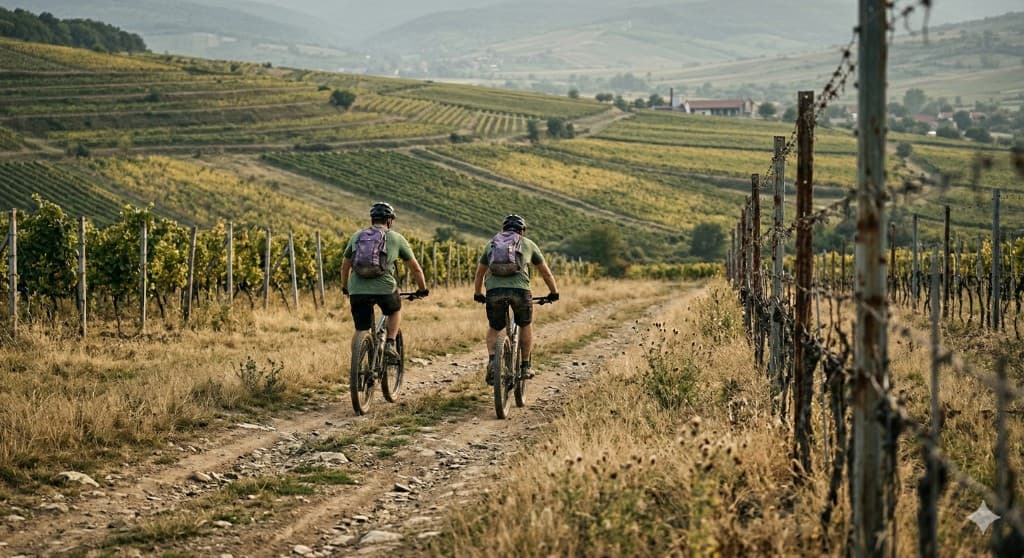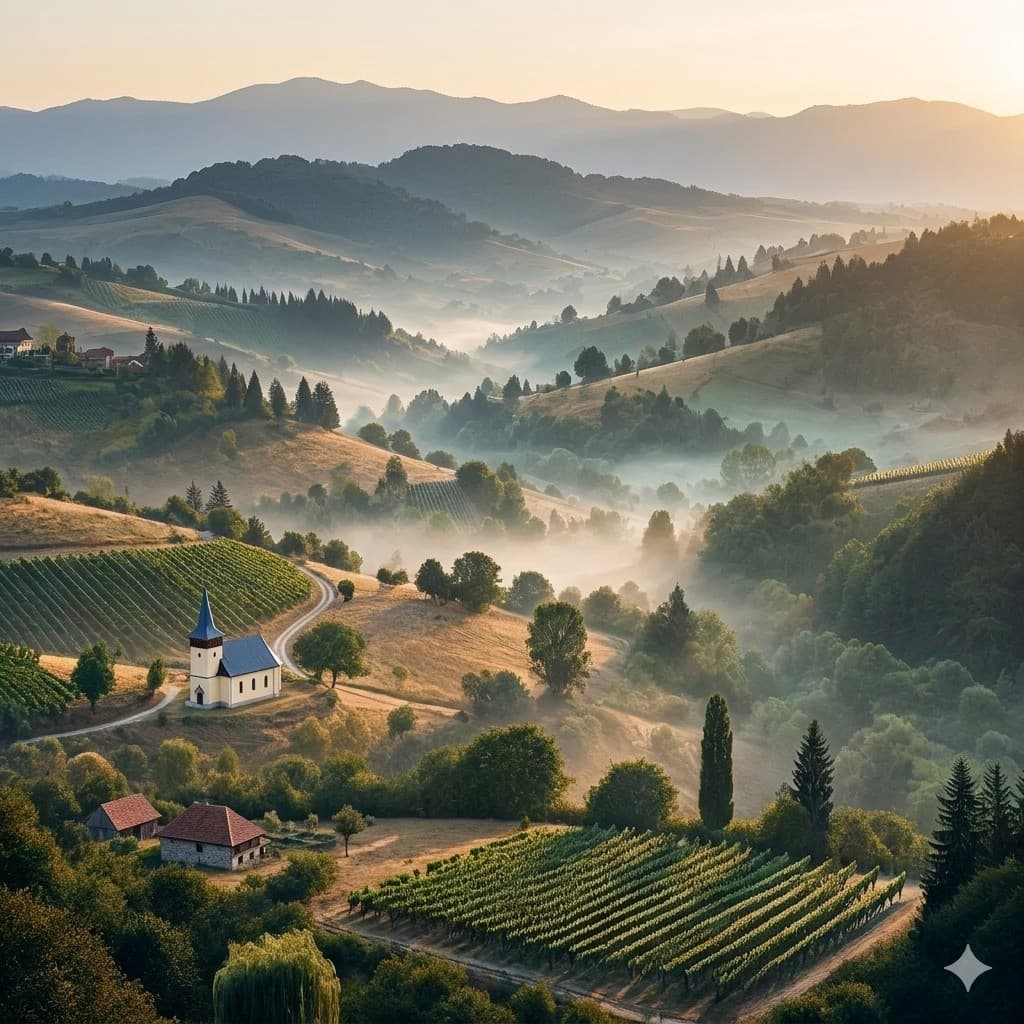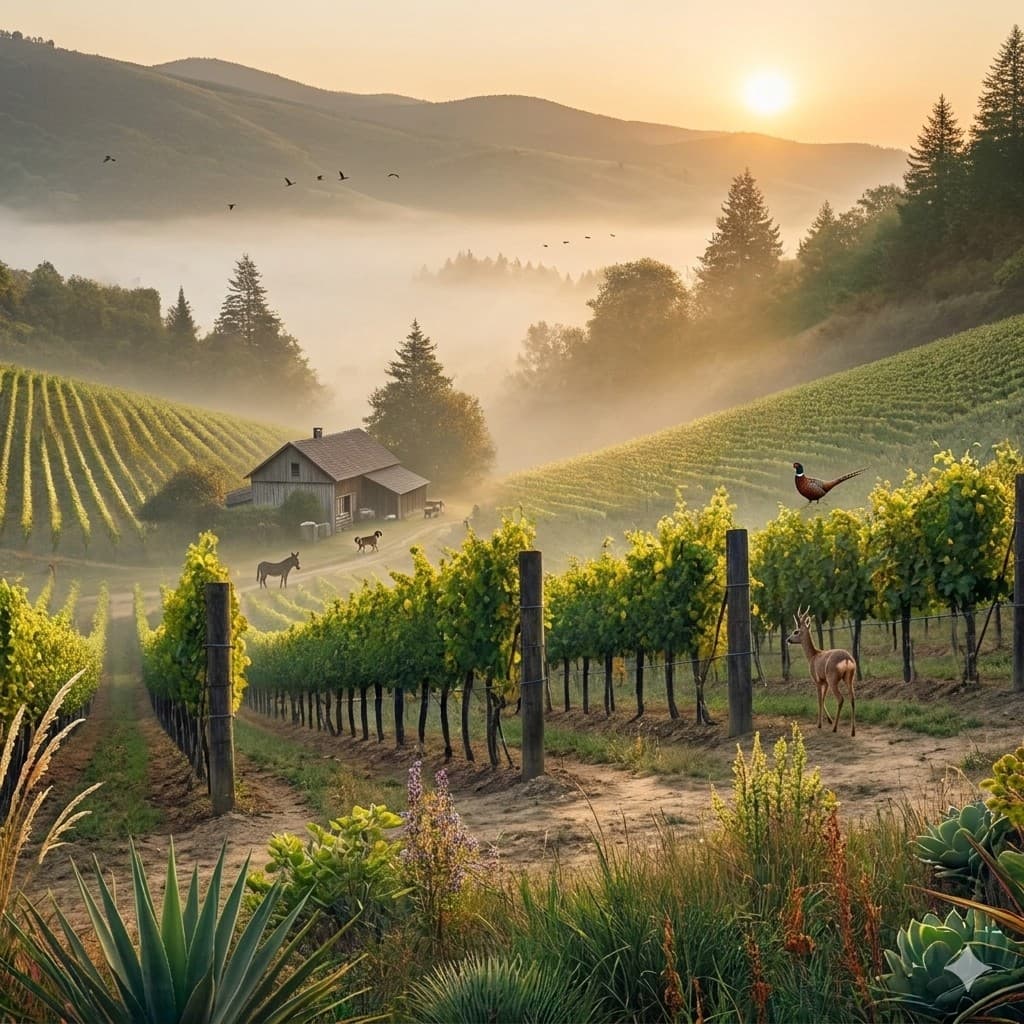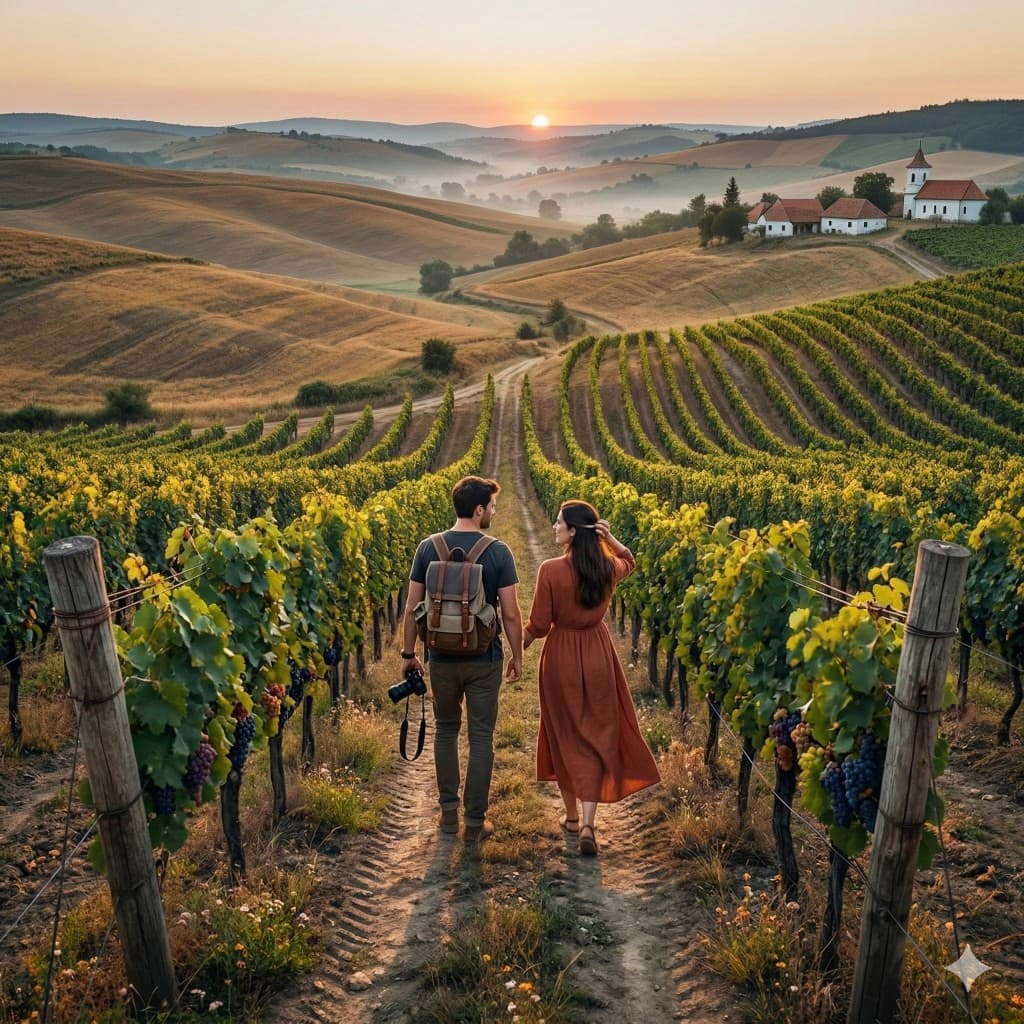
Nestled in the western foothills of the Zarand Mountains, the Miniș-Măderat vineyard is one of Romania's oldest and most distinguished wine regions — with a viticultural history stretching back over two thousand years. The earliest documented evidence dates to the early 11th century, when Queen Gizella of Hungary and King Stephen I donated "eight vines" to the Benedictine Abbey of Bakonybél. By the 15th century, wine had become the primary source of income for the communities dotting these hills, and the region's reputation was only beginning.

From Habsburg Courts to Your Glass
The defining moment in Miniș wine history came in 1744, when local producers created a revolutionary sweet red wine from dried Cadarcă grapes using the "Aszú" method — a technique inspired by the famed Tokaji producers. The result was an overnight sensation. The wine quickly became a favorite of the Habsburg Imperial Court in Vienna, and the Miniș-Măderat vineyard was appointed as the official wine supplier to the Imperial House. This was not merely a commercial triumph; it established Miniș as one of the great wine names of Central Europe, mentioned alongside Tokaj and Bordeaux in diplomatic correspondence of the era.
The Noble Grapes of Miniș
Two grape varieties are produced exclusively in the Arad vineyard and exist nowhere else on Earth: Cadarcă de Miniș, a robust red grape that produces deeply colored, tannic wines with remarkable aging potential, and Mustoasă de Măderat, a local white variety originating from the village of Măderat that yields aromatic, honey-touched wines. The terroir — skeletal soils rich in iron and micronutrients, a temperate-continental climate softened by Adriatic and Mediterranean influences, and long, warm, dry autumns — gives these wines a character that is impossible to replicate elsewhere. When you taste a glass of Cadarcă at sunset overlooking the hills, you're drinking two millennia of unbroken tradition.


A Modern Renaissance
After decades of decline under collectivization, the region experienced a rebirth in 1999 when Balla Géza established his winery in the village of Păuliș, reviving the traditional Mustoasă and Cadarcă varieties with modern winemaking techniques. Today, his 105-hectare estate produces everything from crisp whites and elegant rosés to complex reds aged in oak — and welcomes visitors for tastings in Romanian, Hungarian, English, and German. The Classic tasting package (€20 per person, minimum 8 guests) includes Mustoasă de Măderat, Rhine Riesling, Sauvignon Blanc, Cadarcă, Feteasca Neagră, and Cabernet Sauvignon. For something special, the Premium package (€30 per person) features the winery's prized Stonewine selections.
Whether you're a wine connoisseur or simply curious, the vineyards of Miniș promise an unforgettable journey through flavor, tradition, and two thousand years of living heritage.